
NASA Michoud Assembly Facility
A large-scale digital twin that uses digital threads to connect facility geometry, components, sensors, and real-time location data into an integrated representation of NASA’s rocket manufacturing environment.
At LSU, Digital Twins are more than a capability or a course - they represent a technical and artistic approach to solving complex problems through intuitive, human-centered tools. By blending technical know-how and imagination to bridge physical and digital systems, dynamic data, and functional design, LSU experts are building both innovative technology and world-class technical talent for every discipline, from NASA to nature.
We partner with researchers, agencies, and industry leaders to develop digital twins: virtual information constructs built to explain, predict, and optimize. Our work spans training, visualization, simulation, planning, culture, and public engagement.
Designated as a Land, Sea, and Space Grant institution, we are driven by a cross-disciplinary team. Our projects leverage LSU's core strengths in computing, engineering, science, design, arts, health, the environment, and human performance. At LSU, Digital Twins is a rapidly growing center of national excellence and renown.
A digital twin is a digital representation of a real-world system, place, or process that is connected to data and designed to change over time. Digital twins can represent things like buildings, equipment, environments, or even human activity. Unlike static models, digital twins can incorporate real-time data, simulation, and interaction, allowing people to explore how a system works, test scenarios, and better understand complex relationships. Digital twins are used for training, research, planning, and decision-making, helping organizations experiment, learn, and improve without risk to the physical world.
Researchers across LSU use digital twins to study systems, test scenarios, and gain insight into complex industrial, environmental, and human processes.
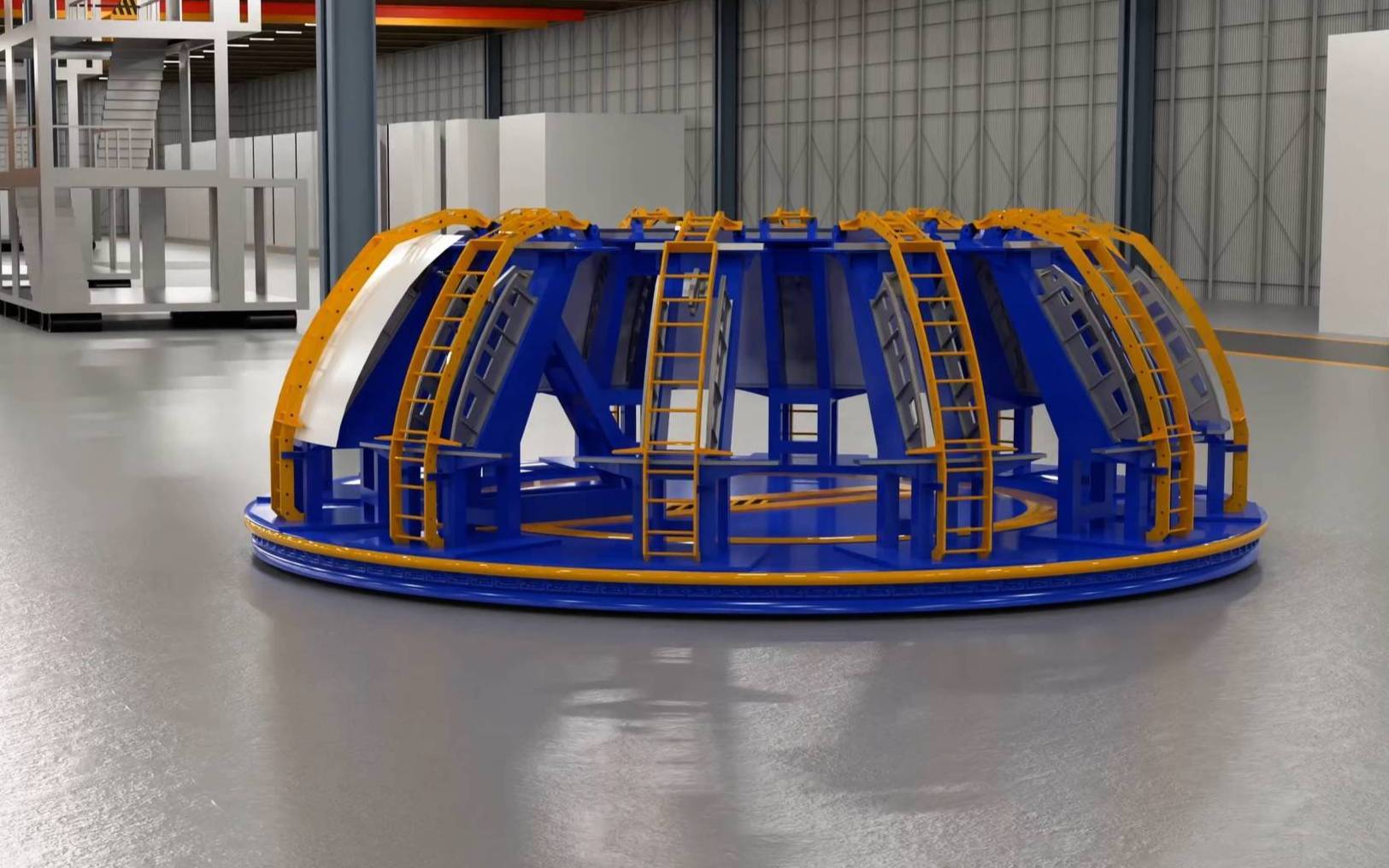
A large-scale digital twin that uses digital threads to connect facility geometry, components, sensors, and real-time location data into an integrated representation of NASA’s rocket manufacturing environment.
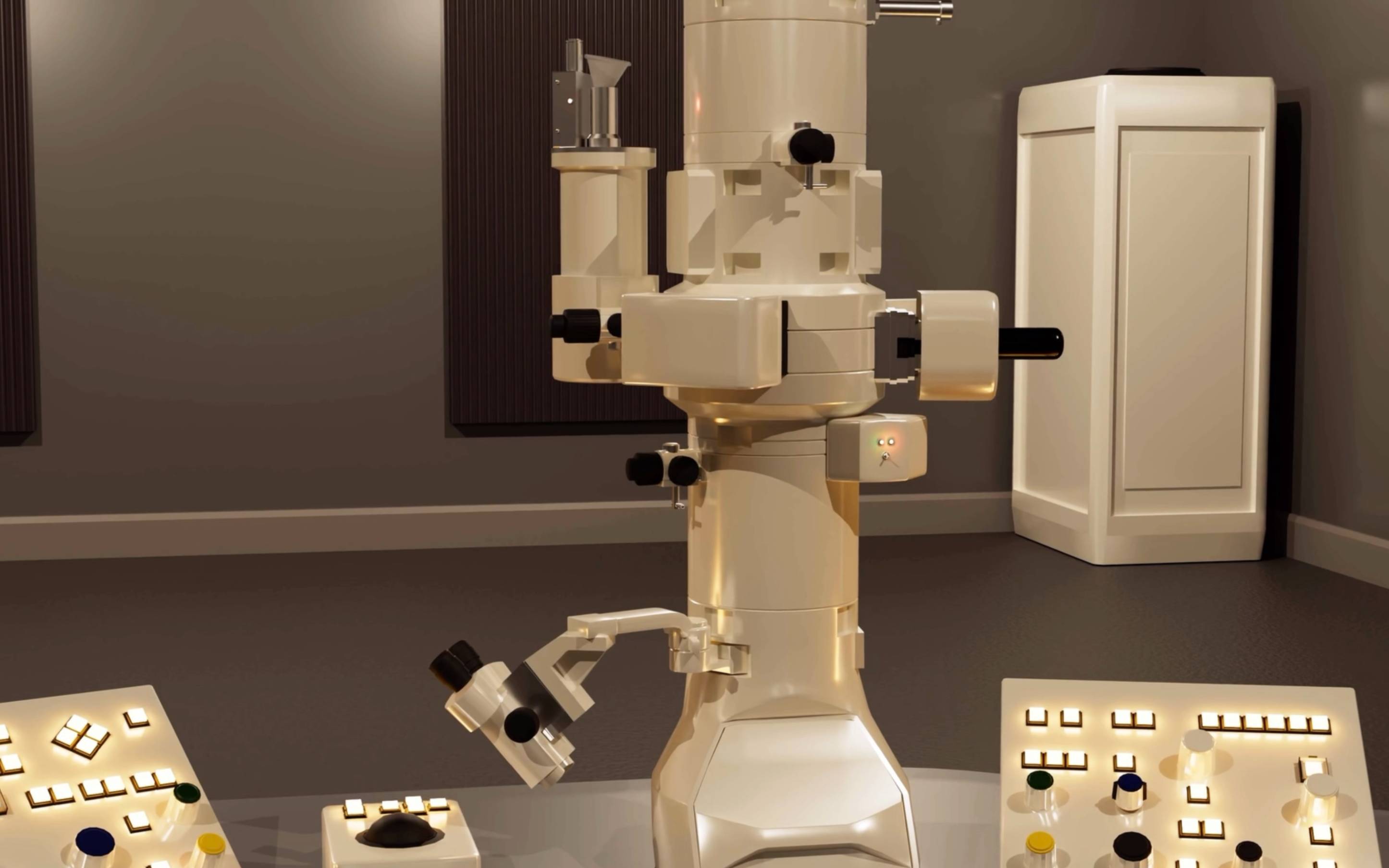
An interactive VR simulation that allows users to operate a scanning transmission electron microscope and visualize how electron paths change in response to real-time control inputs.
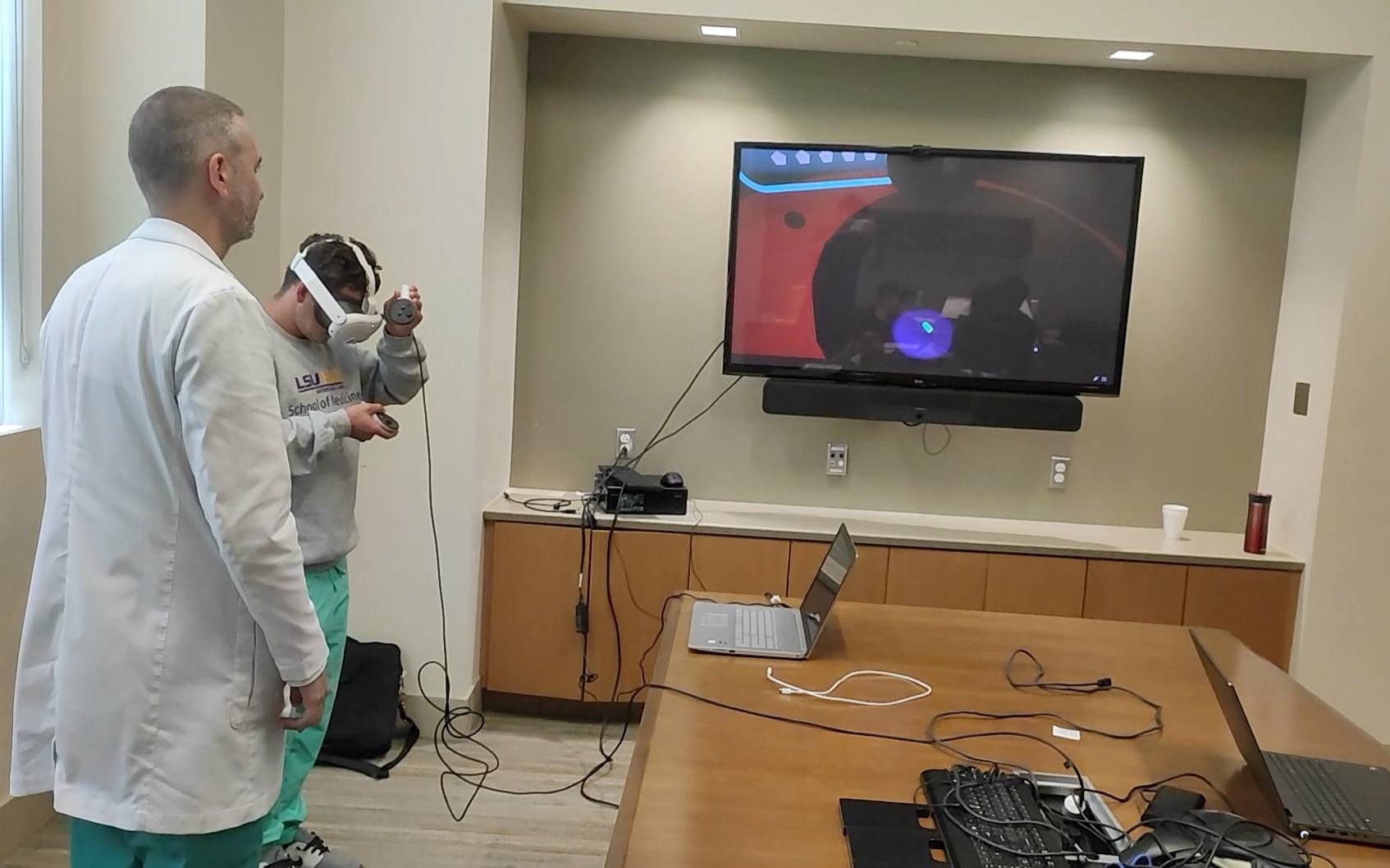
A serious-game VR experience that trains clinicians to prepare patients for IV therapy by translating procedural steps into interactive challenges within a low-risk virtual environment.
Interested in collaborating or learning more? We'd love to hear from you.